
At first glance, a solid oak dining table may look similar to one sold at a big-box store, but the quality difference can be significant. While a mass-produced table might cost a few hundred dollars, a handcrafted solid oak table can cost several thousand. That higher price reflects the quality of the materials, the craftsmanship involved, and a piece that is built to last for generations.
When you understand the reasons behind this, the higher number starts to make a lot of sense. Amish furniture cost reflects genuine materials and the hours of skilled handwork behind each piece.
In this guide, we will break down what you are actually paying for and how it compares to cheaper options over the years you own it.
Understanding Amish Furniture Cost
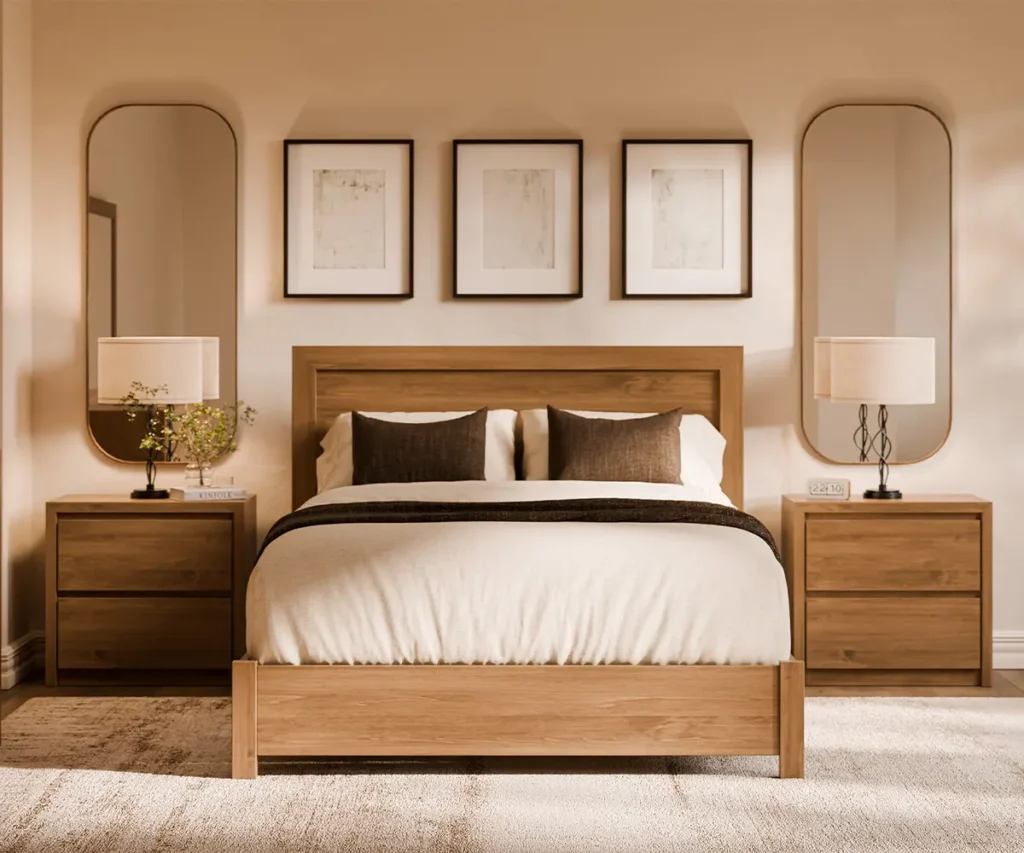
Amish furniture is solid-wood furniture handmade by Amish craftsmen, usually in small workshops instead of large factories. It is built from real hardwood boards and joined with methods meant to last for generations.
Solid wood means the entire piece is cut from real wood boards, with no particleboard core hidden under a thin laminate. That’s why these pieces feel more substantial and last much longer.
At Amish Oak & Cherry, every one of our Amish furniture pieces is American-made. You can choose from a range of hardwoods, including cherry and quartersawn white oak, each with its own grain and character.
Factors Affecting Prices
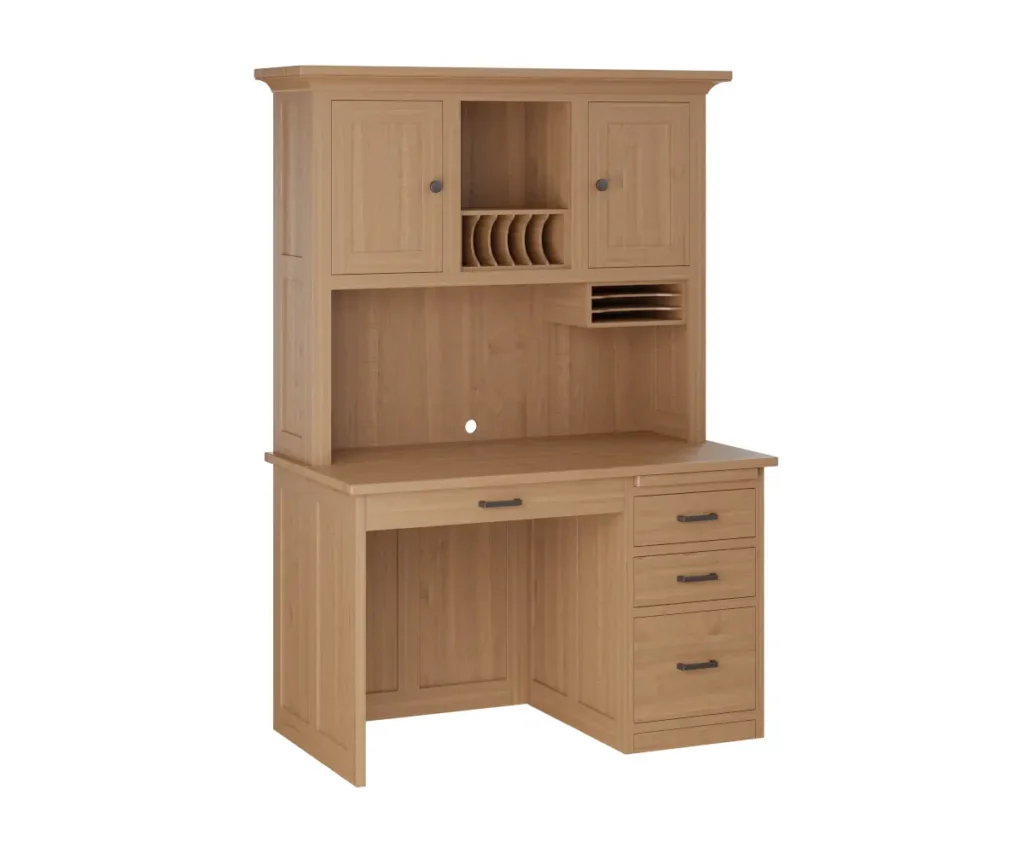
Several things shape Amish furniture cost. Most of them come down to quality:
- Solid hardwood: Every part is real wood, which costs far more than the particleboard used in budget pieces. Prices also shift with the species you pick, so a walnut table costs more than one in oak or brown maple. You are paying for lumber that stays solid and can be refinished for decades.
- Hand craftsmanship: A single piece can take 40 to 80 hours of skilled work, compared with just 2 to 4 hours for mass-produced furniture. That time goes into fitting each part by hand and sanding every surface smooth. The payoff is a level of finish and precision that’s hard to reach otherwise.
- Traditional joinery: Dovetail and mortise-and-tenon joints add strength that glue and staples cannot match. These time-tested methods interlock the wood so drawers and legs stay tight for generations. They take longer to cut and assemble, which is a big part of why the furniture holds up so well.
- Custom options: Choosing your own stain and dimensions adds time and care to every build. Since each order is made for one customer, we size and finish the piece to suit your exact space.
Each step takes real time and skill, and together they explain the higher price on the tag.
The Value of Amish Furniture
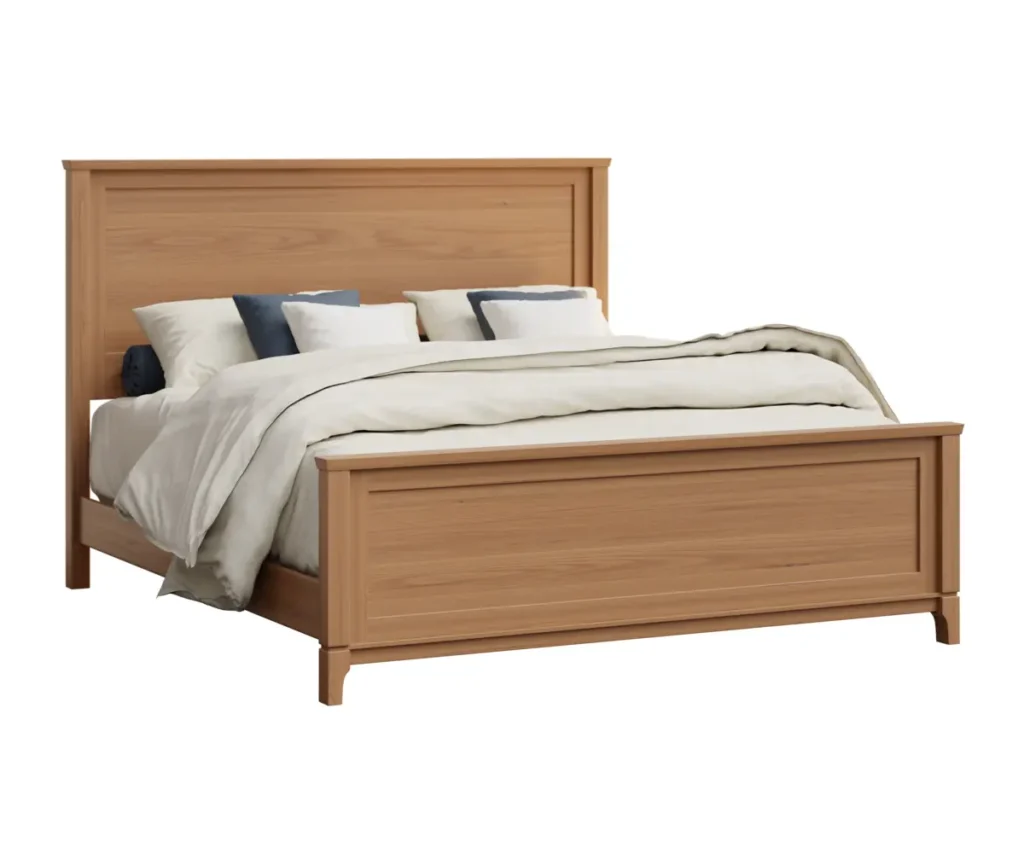
A higher price only matters if you get something real for it. The value of Amish furniture shows up in how long it lasts and how good it looks in your home for decades.
Durability and Longevity
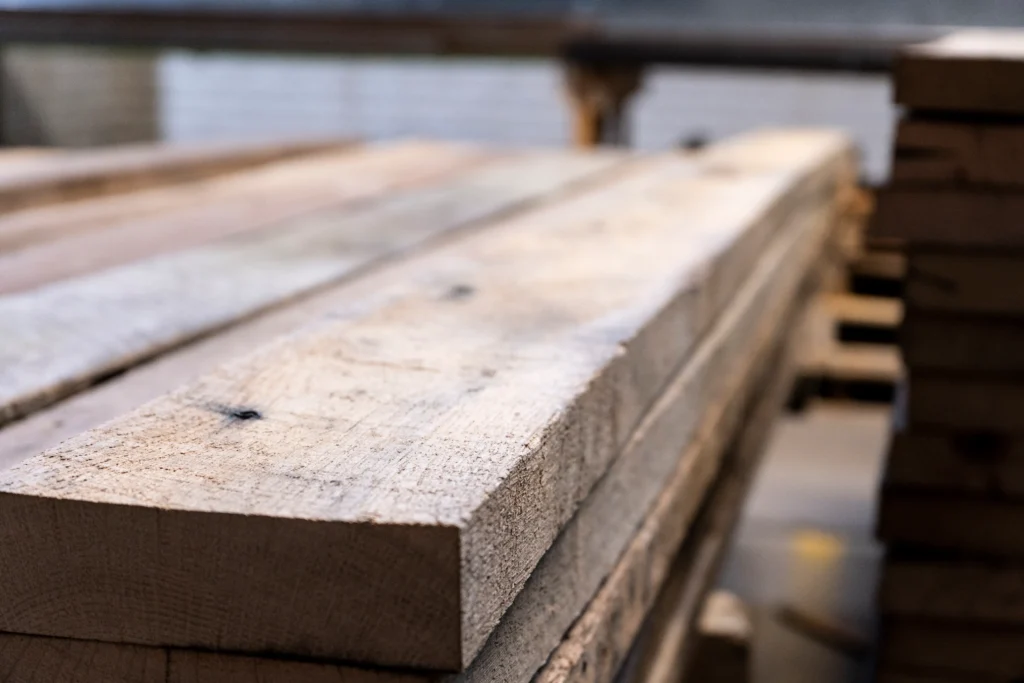
Solid hardwood is built to take daily life. While mass-produced furniture lasts only 5 to 7 years, quality Amish pieces can last 50 years or more. Many even become heirlooms handed down through a family.
Because the wood is solid all the way through, you can sand and refinish these pieces instead of throwing them away. Many owners find a good piece outlives the room it was bought for. In fact, some even follow them through several moves without losing their strength.
Craftsmanship and Attention to Detail
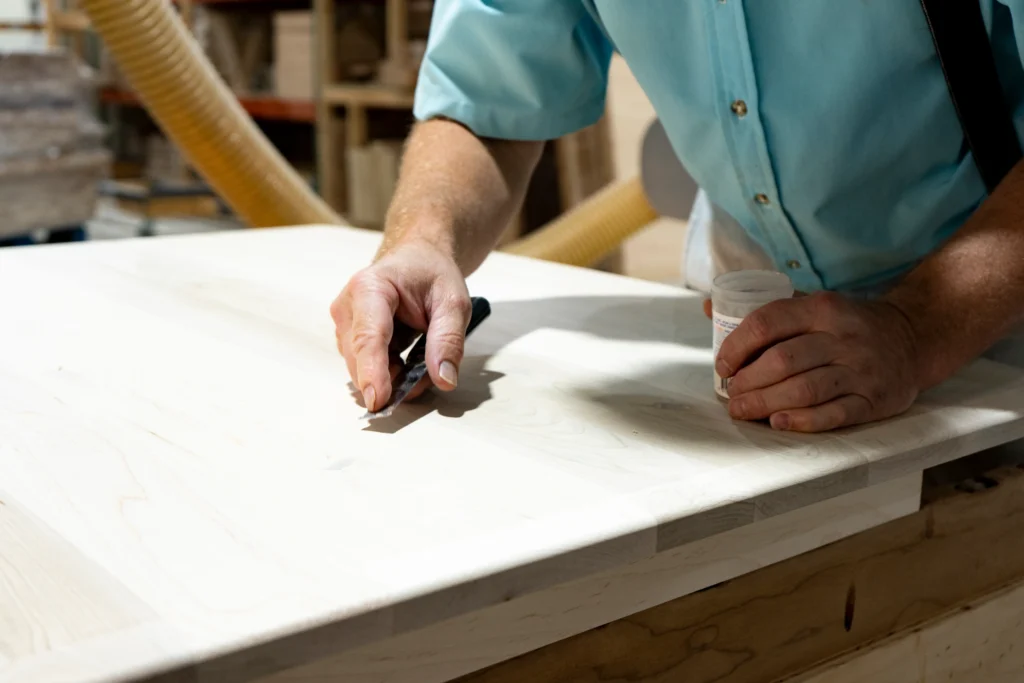
Amish furniture costs more primarily because it’s shaped by hand, with close attention paid to every joint and surface. Amish builders match the grain carefully and hand-rub each finish in a way no assembly line can copy. This kind of hand joinery takes longer to build, which is also why a well-made drawer still glides smoothly decades later.
This is why no two pieces are ever exactly alike. Small natural variations in the wood give each item its own character, something you never get from a factory mold.
Aesthetic Appeal
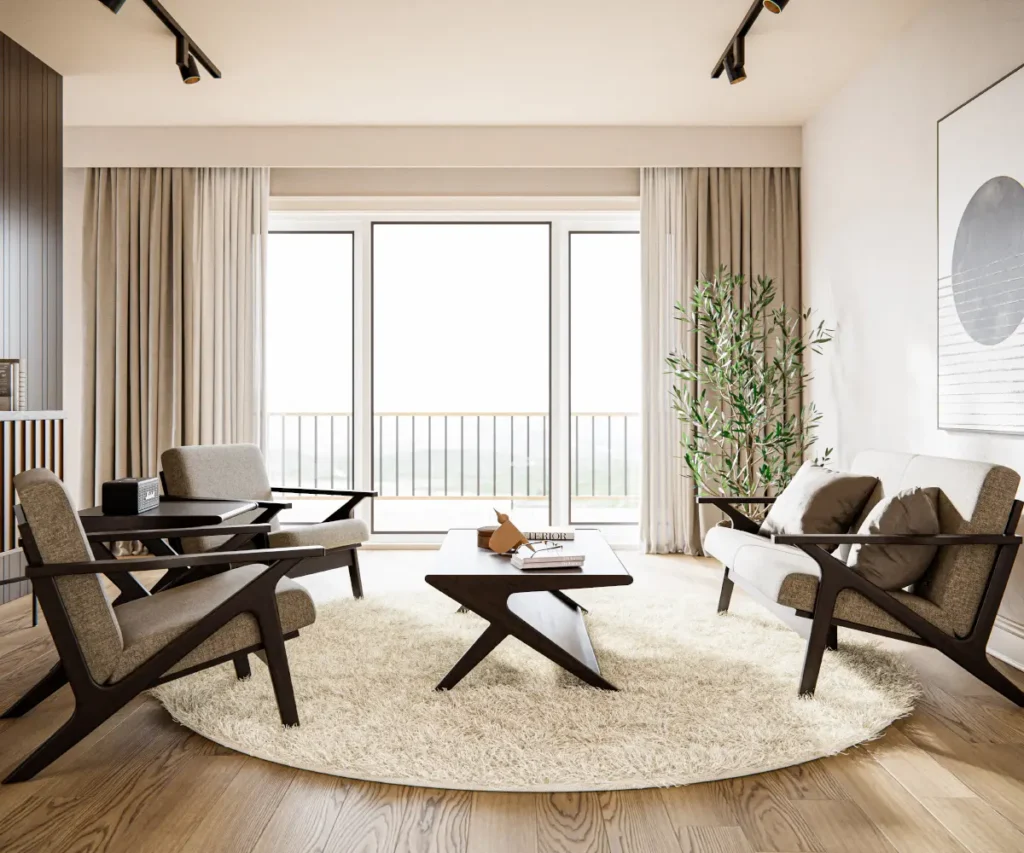
Solid hardwood simply looks richer than printed laminate or thin veneer. Real grain has depth, and its tone actually improves as it ages. Cherry deepens into a warmer color over the years while oak shows off its bold, open grain.
At Amish Oak & Cherry, we offer dozens of hand-rubbed stains so you can match a new piece to your room or existing furniture. This gives you warm and intentional results.
Investing in Quality Furniture
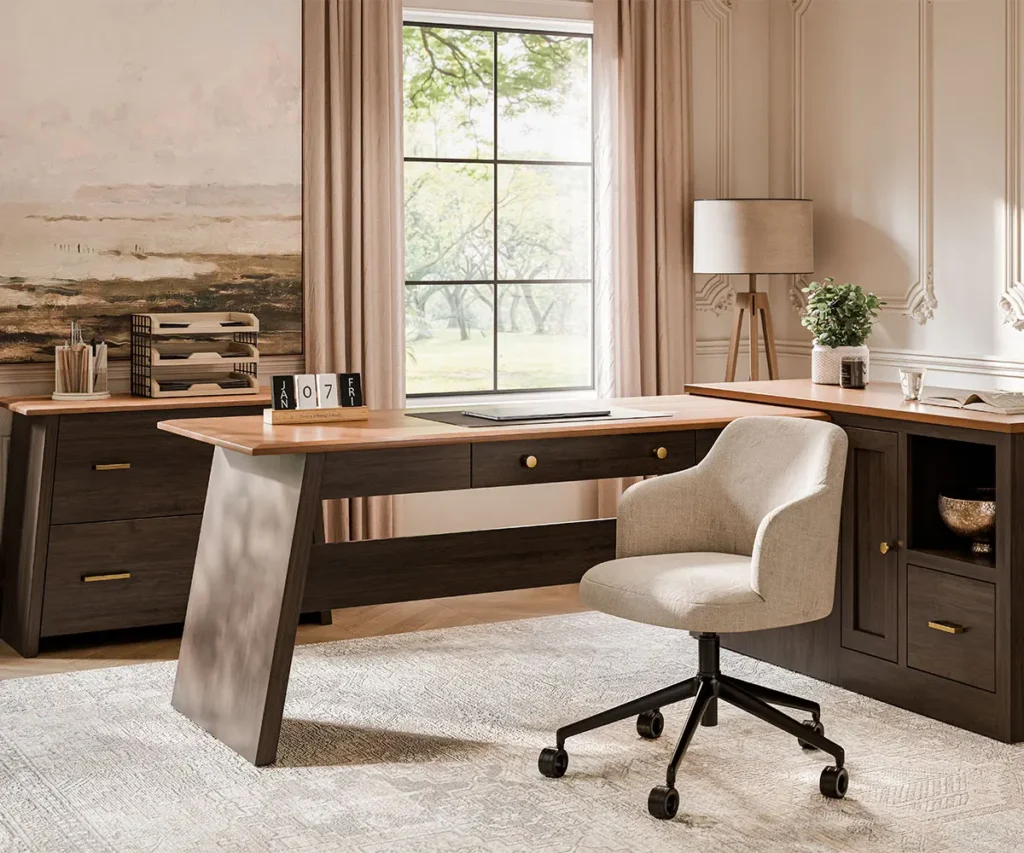
Investing in quality furniture usually costs less than buying cheap furniture again and again. The sticker price is only part of the story. A cheap table might cost less today, but if you replace it every few years, the total climbs fast.
Suppose you buy a $2,500 Amish table that lasts 50 years. It costs you around $50 a year. You also got another mass-produced version for $600, but you have to replace it every few years. Based on estimates, it will cost you between $86 and $120 per year.
The cheaper option ends up costing more. It also carries hidden costs since each replacement means more money spent.
Solid wood furniture holds its value well and can be refinished many times over its life. It easily adapts as your style or needs change. The furniture’s price reflects this staying power. You are paying for a piece that stays useful and beautiful for decades, not one built to be tossed out and replaced.
Comparing Prices: Amish vs. Non-Amish Furniture
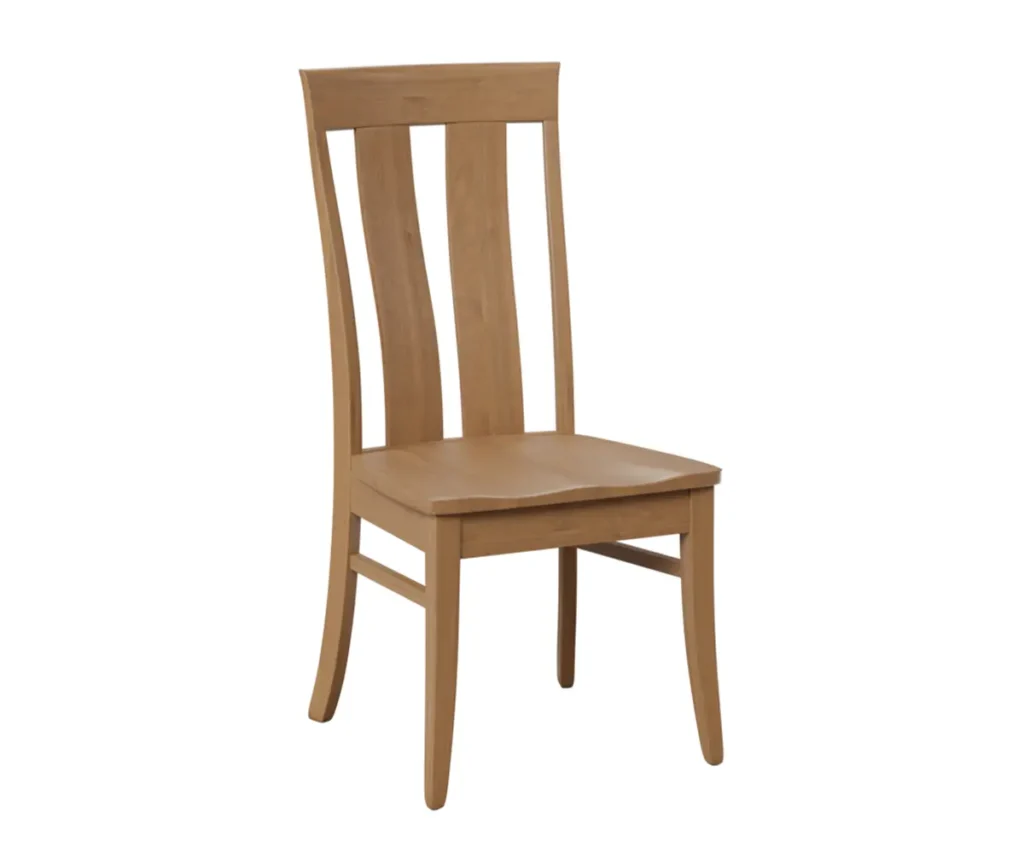
Seeing the Amish vs non-Amish furniture side by side makes the gap easier to understand. The upfront numbers look very different, but the full picture tells another story.
Price Range Overview
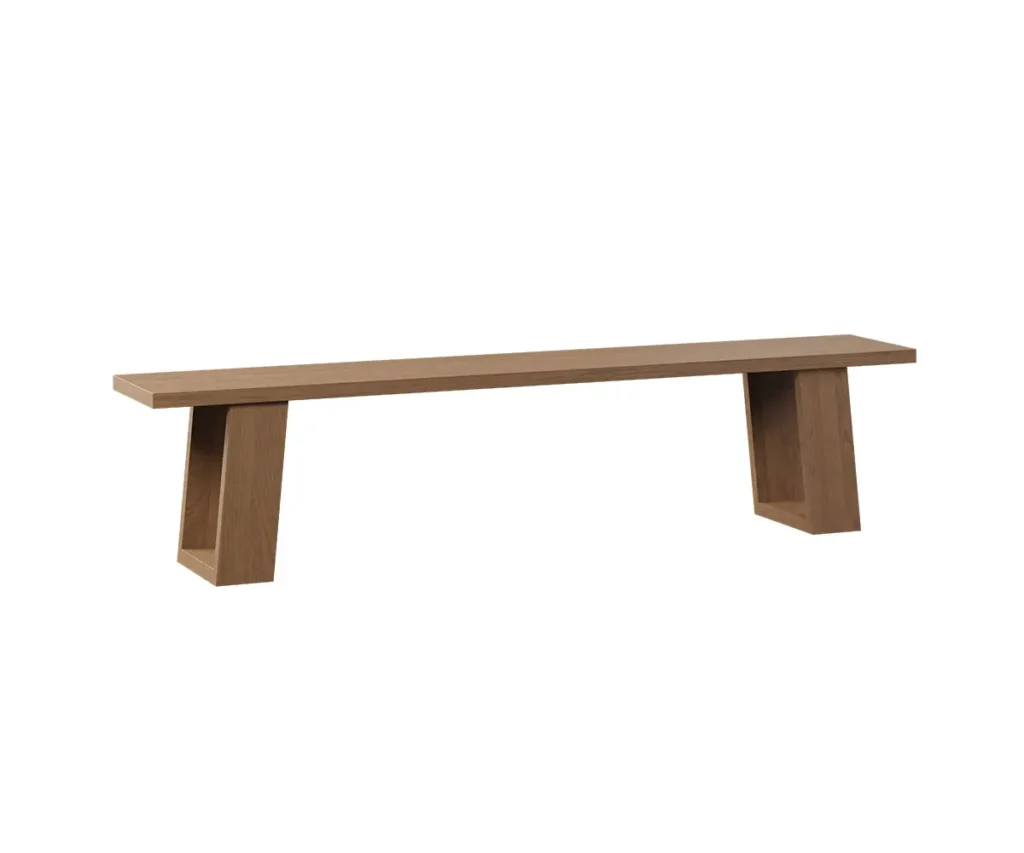
Mass-produced furniture is cheaper to buy, often 20 to 50% less than solid wood at the register. Solid wood generally costs 3 to 5 times more than particleboard, largely due to premium materials and the labor involved in each piece.
That is why solid wood furniture prices sit higher on the tag. The number reflects real hardwood and the skilled hours that go into every build.
Cost vs. Value Assessment
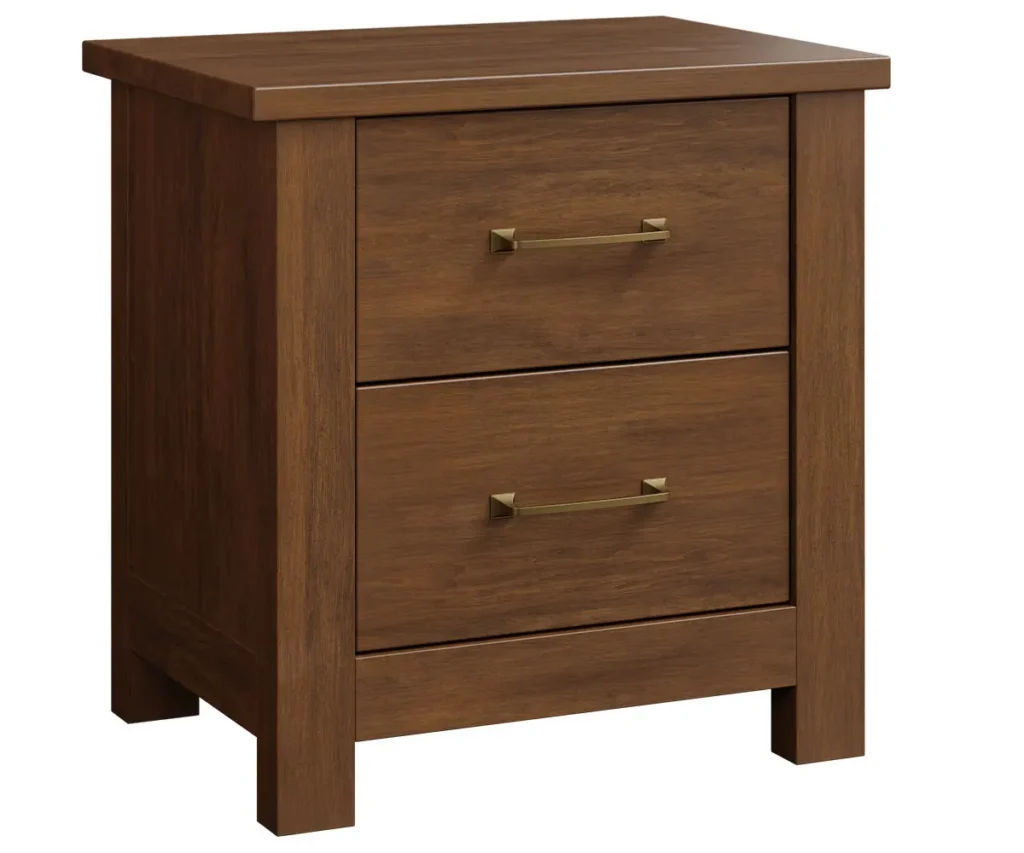
The real question is not which piece is cheaper today, but which one costs less over time. A particleboard table that needs replacing six times in 30 years can total nearly $4,800. Meanwhile, a single solid-wood table bought once can cost far less over those same years.
When you weigh Amish furniture cost against decades of daily use, the value becomes clear. You buy it once and enjoy it for a lifetime.
Explore Amish Oak & Cherry’s Full Amish Furniture Range
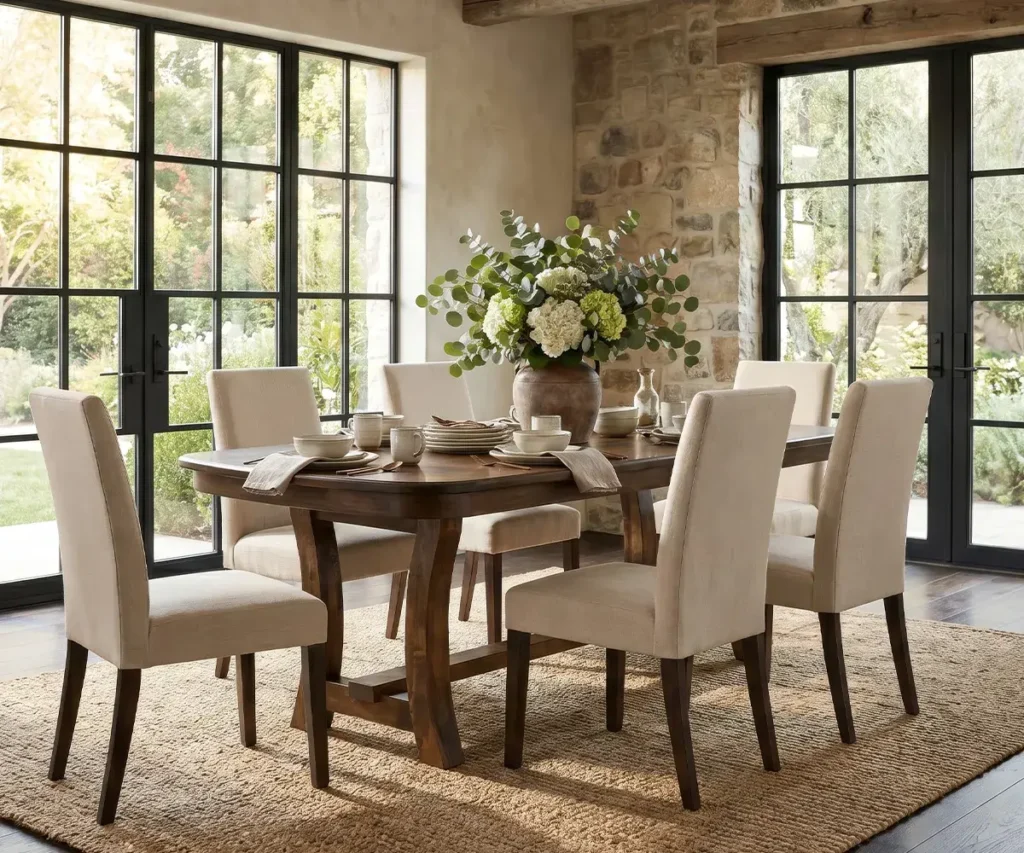
Price tells you what something costs today. Value tells you what it is worth over a lifetime, and that is where Amish furniture stands apart.
Here are some key takeaways:
- Amish furniture is made from solid hardwood and handcrafted to last 50 years or more.
- The higher price reflects premium materials and many hours of skilled work.
- Buying once usually costs less than repeatedly replacing cheap furniture.
- Each piece can be customized and crafted into a family heirloom.
In the end, you are not just buying a table or a dresser. You are investing in a piece your family can use and enjoy for generations.
If you are ready to see the difference for yourself, explore the collections at Amish Oak & Cherry or design a custom piece made to your exact stain and dimensions. Get in touch to find furniture that truly lasts a lifetime.