
A solid wood table can easily outlast the house it was bought for, as long as you give it a little attention along the way. Most of the wear people notice on good furniture comes from small everyday habits that are easy to change.
Knowing how to care for real wood furniture protects one of your home’s biggest investments. Our team at Amish Oak & Cherry shares this advice with customers every day. The reassuring part is that a few simple habits prevent most problems.
Care varies a little depending on the finish, wood species, and how hard a piece gets used. The basics below work for nearly every solid wood piece in your home.
Know What You’re Caring For: Solid Wood vs. Veneer vs. Laminate
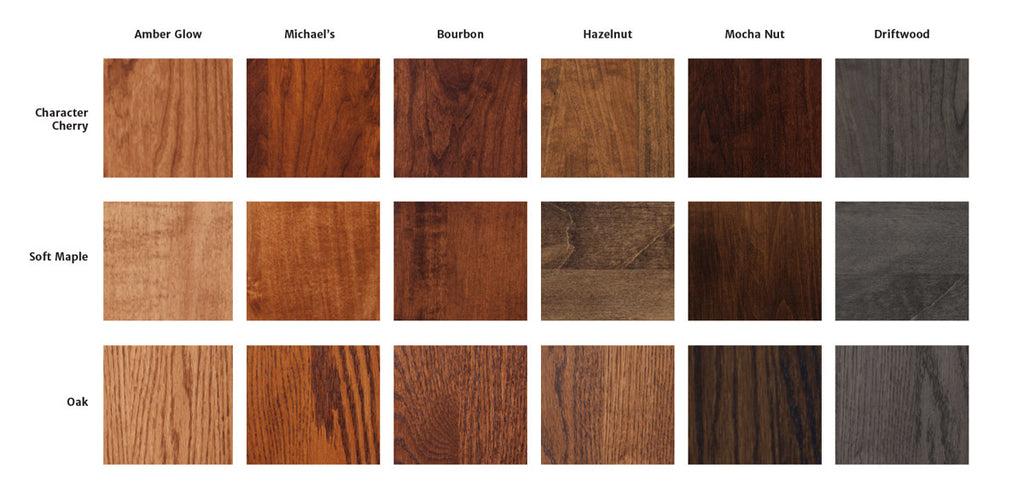
First, know what the piece is made of. Caring for real wood furniture differs from caring for composite pieces.
- Solid wood: Every part is cut from real lumber, with the grain running all the way through.
- Veneer: A thin layer of real wood glued over a plywood or composite core.
- Laminate: A printed decorative surface over a composite core, with no real wood on top.
Solid wood can last for decades and is often repairable when something goes wrong. Whatever you own, check the manufacturer’s care instructions before trying a new product.
The Everyday Care Routine
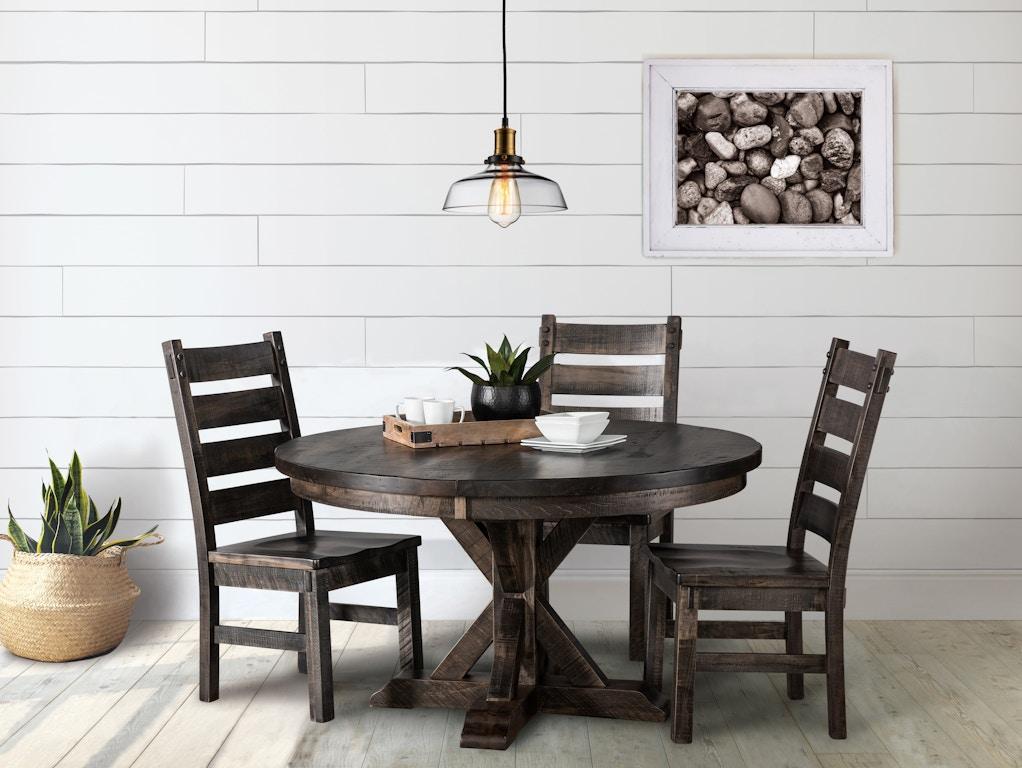
Most of the work to care for real wood furniture relies on these three habits:
Dust Regularly With the Right Cloth
Dust can act like fine sandpaper when you rub it across a finish. A clean, soft microfiber or cotton cloth picks it up gently. When possible, wipe with the grain to keep the surface looking even.
Rough cloths and paper towels can leave tiny scratches over time, and dry, abrasive sponges can too.
Clean Spills Right Away
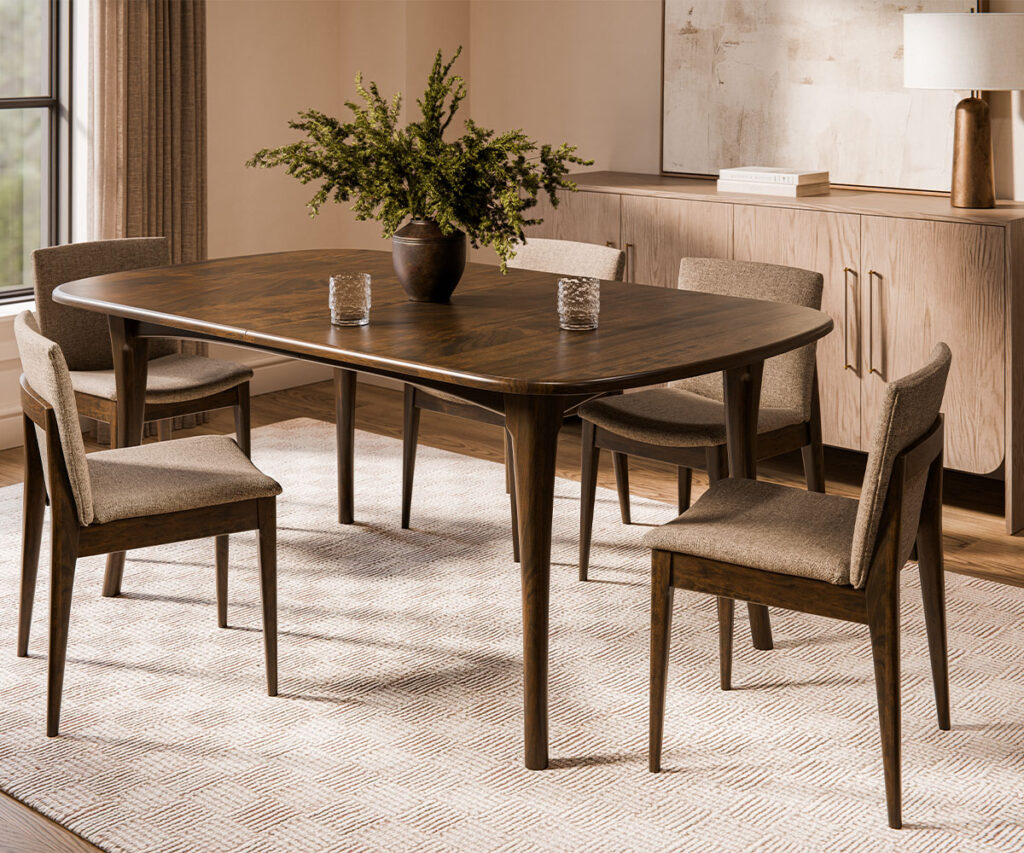
When something spills, blotting lifts the liquid while rubbing pushes it deeper into the finish. If any residue remains, follow up with a slightly damp cloth, then wipe it off immediately with a dry one.
Do this quickly because standing water slowly works its way through a finish and into the wood, where it can leave white marks or raise the grain.
Keep Everyday Items Off the Bare Surface
Coasters and placemats under drinks and plates prevent most marks from starting. Use trivets for hot dishes, and felt pads under lamps and electronics to protect against scratches and heat.
Protect Wood Furniture From Its Biggest Enemies
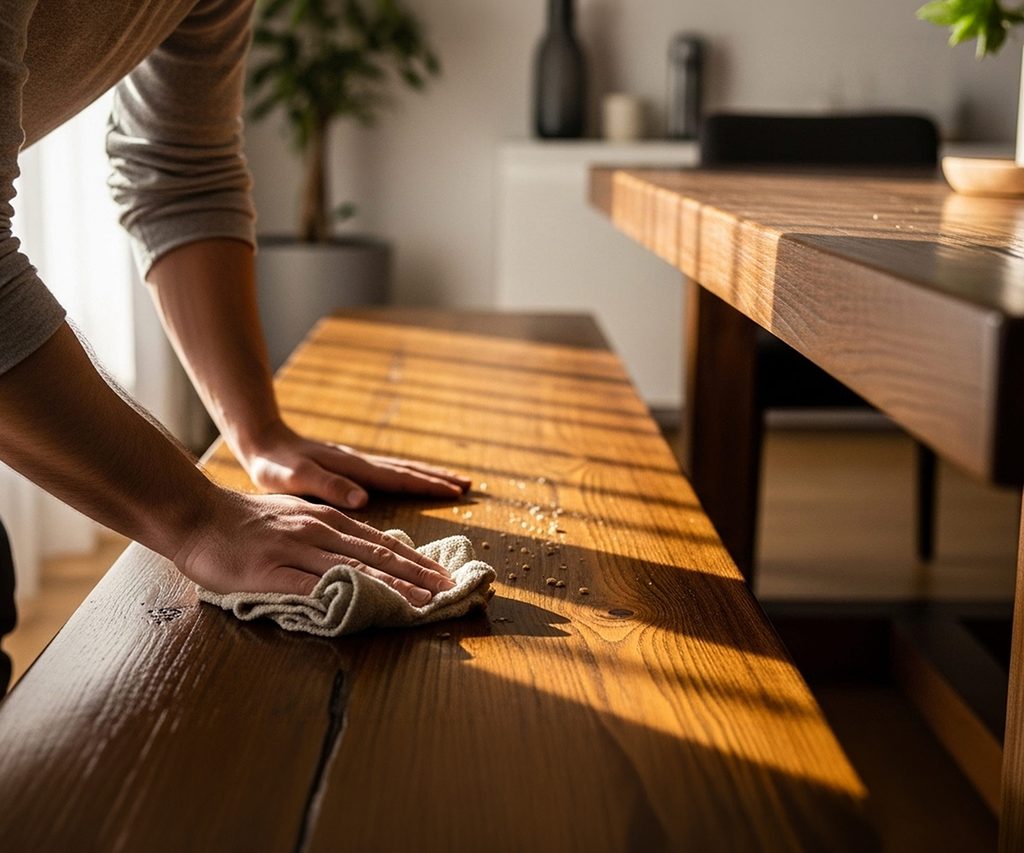
Moisture and heat cause most of the serious damage to wood furniture, followed by humidity. Here is how you can care for real wood furniture:
Water and Moisture
Wet glasses and damp cloths can leave marks if they sit too long, and plant pots placed directly on the wood can do the same. Use a waterproof tray or liner under each plant to keep watering spills off the finish. Deal with any white ring that does appear promptly.
Heat and Sunlight
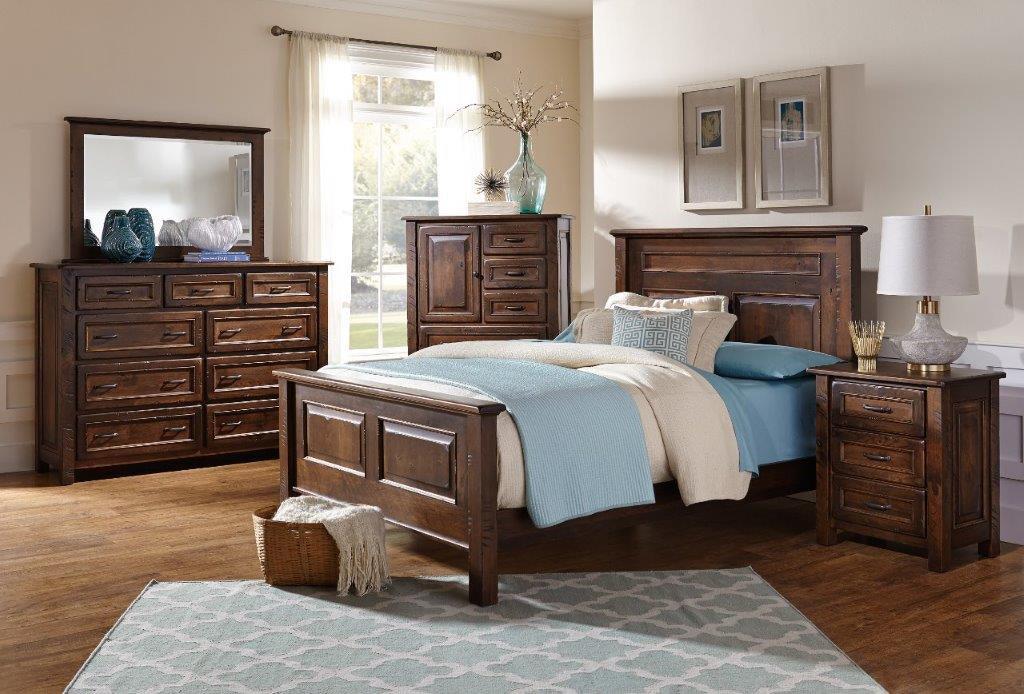
Heat dries out wood, so furniture does best away from radiators, fireplaces, and heating vents. Direct sunlight is the other concern. The Henry Ford Museum notes that wood finishes and stains can darken or fade under high light levels. The heat from that light can even soften finishes.
You can go for window treatments. Rotating decor every so often also keeps a lamp or vase from leaving a lighter shadow on the surface.
Humidity Changes
Wood absorbs moisture when the air is humid and releases it when the air is dry, so it naturally swells and shrinks with the seasons. Henry Ford recommends roughly 35 to 45% relative humidity in winter and 55 to 65% in summer, with the main goal of avoiding extremes.
A little seasonal movement is completely normal. However, extreme swings cause gaps and warping, so a humidifier in winter or a dehumidifier during humid North Carolina summers can make a real difference.
How to Clean Wood Furniture Safely
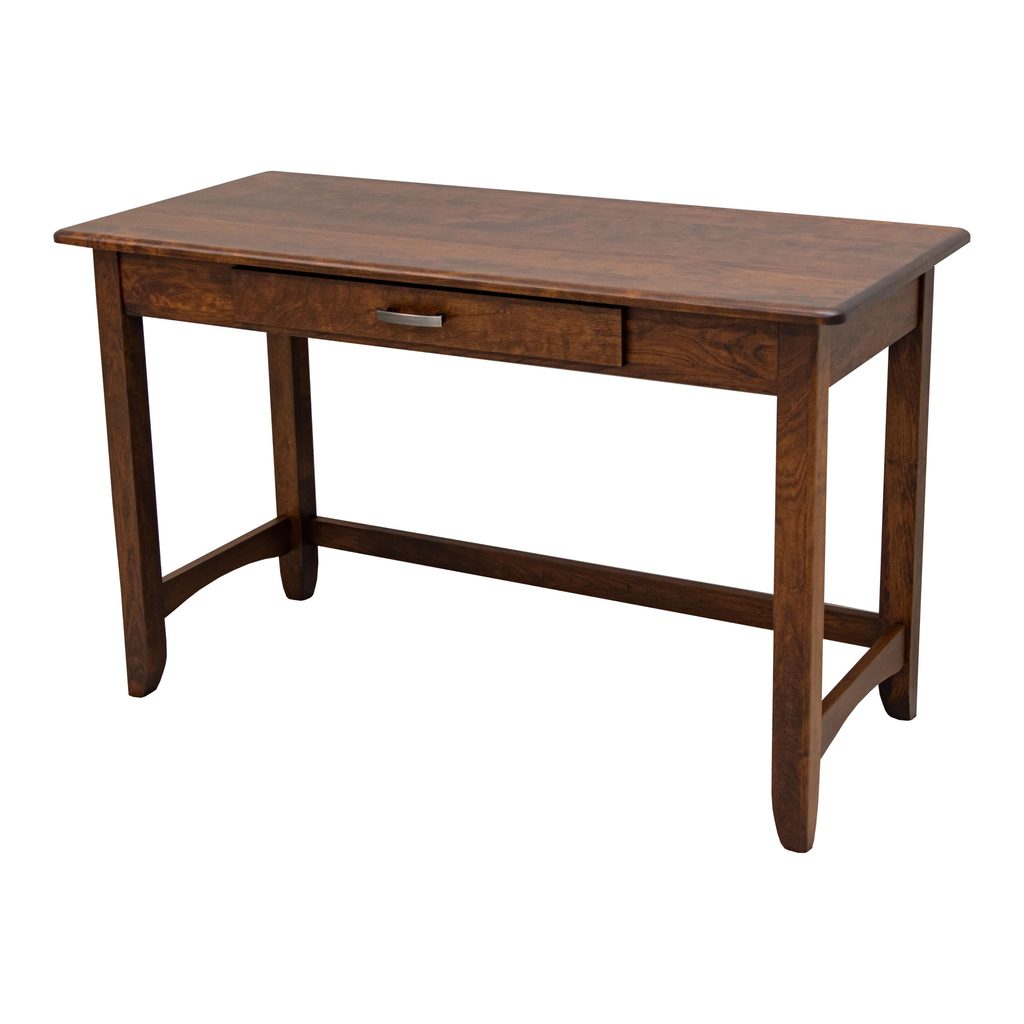
The gentlest way to clean wood furniture is with a dry microfiber cloth, which handles most everyday dust and smudges.
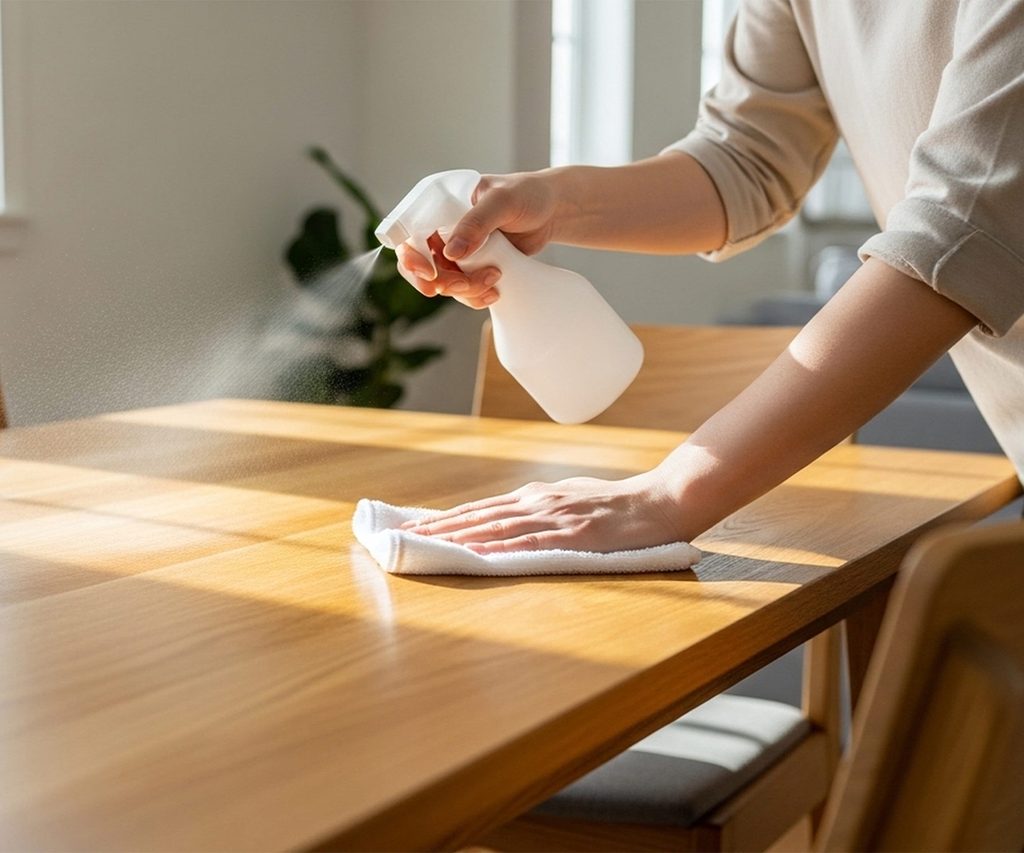
For grime, use a lightly damp cloth with a drop of mild soap, then follow immediately with a dry cloth. Spraying cleaner directly onto the wood can leave liquid sitting in joints and seams, so it’s safer to spray the cloth.
Always test a new cleaner on a hidden spot first, like the underside of a tabletop.
Products to Avoid
Some common household products do more harm than good on a fine finish:
- Silicone-based sprays and polishes, which The Henry Ford says age poorly and can leave a dull, cloudy finish
- Harsh all-purpose cleaners, including bleach and ammonia
- Acetone and alcohol-heavy cleaners
- Abrasive pads and scouring powders
- Homemade mixtures, unless your furniture maker recommends them
- Too much furniture polish, which builds up and dulls the finish over time
Caring for Dining Tables, Desks, and Other High-Use Pieces

Tables and desks take the most daily wear, so follow these steps for a little extra protection:
- Use table pads for large meals, crafts, and holiday gatherings.
- Go for a desk mat or blotter for writing, work, and children’s projects.
- Put a trivet under hot serving dishes before placing them on the table.
- Inspect felt pads under chairs and décor every month.
A quick wipe-down after gatherings or busy seasons keeps small issues from turning into bigger ones.
What to Do About Common Problems
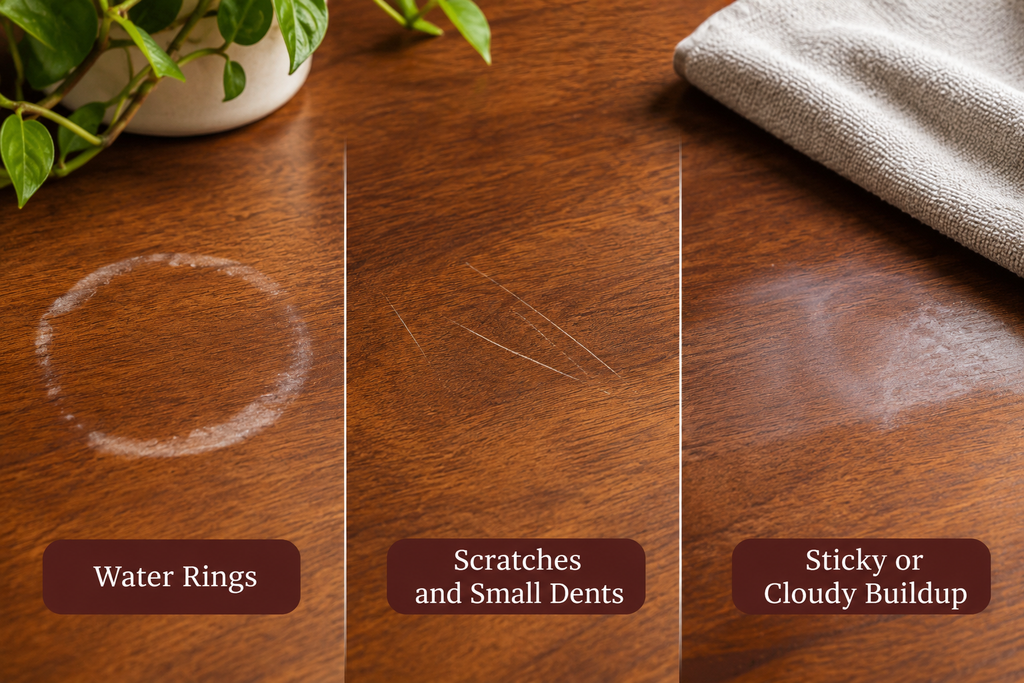
Even with good care habits, you may experience small mishaps. Here is what you should do in each case:
Water Rings
White marks usually mean moisture is trapped in the finish itself. A hazy white ring is often treatable, while a dark ring signals the water has reached the wood.
Before trying an aggressive home remedy, call a furniture professional to do it safely. The wrong fix can further damage the finish.
Scratches and Small Dents
You can conceal minor marks with a manufacturer-approved touch-up product. Leave deep scratches and dents to a professional.
Sticky or Cloudy Buildup
A sticky or cloudy surface usually comes from too much polish or the wrong cleaner. A gentle, approved cleaning method often clears it. If the buildup lingers, a professional can advise on the next step.
When to Refinish or Call a Professional
These signs mean it is time for expert help:
- Deep scratches or gouges
- A finish that is peeling or flaking
- Major water damage
- Cracks in the wood
- Wobbly or unstable joints
The good news is that real wood furniture is usually repairable, which is a major long-term advantage over furniture built to be thrown away. Your original retailer is a great first call, and a qualified furniture restoration specialist can take on bigger jobs.
A Simple Seasonal Maintenance Checklist
A quick check each season keeps your furniture in great shape:
Dust regularly with a soft cloth
Check felt pads and coasters for wear
Look for loose hardware or any wobbling
Clean only as needed
Watch for dryness and humidity changes
Keep an eye on sun exposure and any moisture issues
Small Habits Protect a Lifetime Investment
Quality real wood furniture can last for generations with consistent, gentle care. Caring for real wood furniture comes down to a few small habits repeated over time.
If you have questions about a specific piece, our team is always happy to help with product-specific guidance or touch-up advice. Contact Amish Oak & Cherry or stop by our Hickory showroom, and we can help you find an heirloom-quality piece.